Improve Your Home With Sleek Modern Roof Lanterns
Modern roof lanterns offer a elegant approach for improving home illumination and space. These architectural features not only illuminate dark areas but also elevate the overall aesthetic of a room. Their flexibility in design and materials allows homeowners to customize their spaces successfully. However, choosing and installing the right lantern requires thorough consideration. Understanding these elements can transform a home's atmosphere significantly. What factors should one keep in mind when making such an investment?
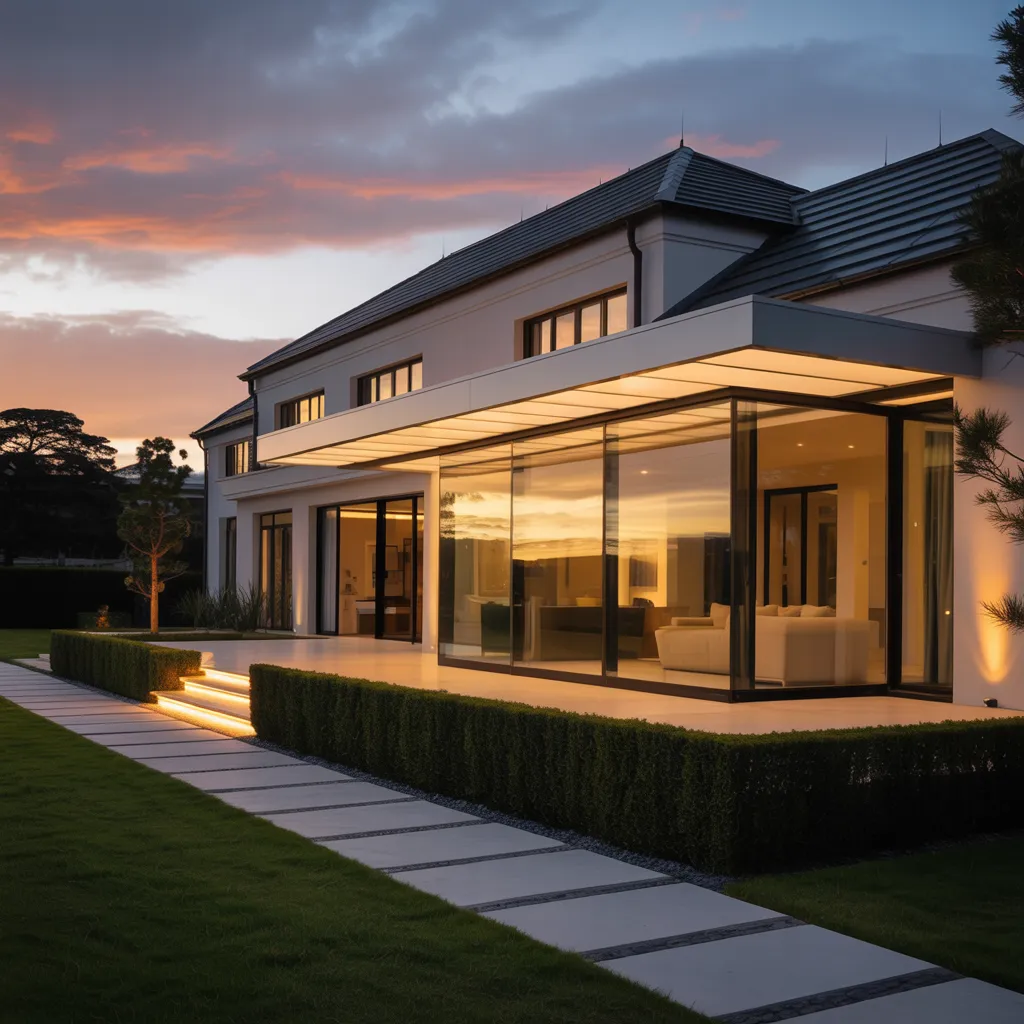
How Roof Lanterns Create Answers for Lighting and Space Issues
Roof lanterns significantly improve natural light in interiors, transforming shadowy rooms into radiant. These design operate not only to enliven but also to generate an appearance of bigger. Carefully positioned, roof lanterns collect sunlight from above, thoroughly distributing it around the interior. This natural lighting lowers dependence on artificial lighting, encouraging energy conservation.
Besides their illuminating attributes, roof lanterns contribute to improved ventilation. Numerous designs feature operable skylights, allowing fresh air to circulate, which is especially valuable in kitchens and living areas. The aesthetic appeal of roof lanterns further improves the overall design of a home. By bridging the gap between indoor and outdoor environments, they create a seamless connection with nature. Ultimately, roof lanterns address both lighting and spatial needs, making them a practical choice for contemporary interiors desiring to maximize brightness and openness.
Finding the Best Look for Your Home
When picking the right style for a home, one must assess how a roof lantern can complement the overall architecture and interior design. Various styles of roof lanterns, from contemporary to traditional, offer distinct aesthetic benefits. For modern homes, sleek, minimalistic designs with clean lines enhance the space without overwhelming it. In contrast, classic Victorian or Edwardian styles can add a touch of elegance and charm to period properties.
Furthermore, the preference of materials plays a vital significance. Options such as aluminum, wood, or glass can determine the lantern's appearance and strength. Tone also matters; a neutral palette may blend flawlessly, while vivid shades can create a striking focal point.
Ultimately, the roof lantern should complement the existing decor, enhancing the home's character while creating a coordinated look. By carefully evaluating these elements, homeowners can pick a roof lantern option that elevates their home.
Boosting Natural Brightness and Aesthetic Appeal
Modern roof lanterns work as a powerful tool for optimizing daylight exposure, substantially enhancing interior spaces. Their stylish architectural features not only enhance the overall visual appeal but also provide practical benefits, such as improved energy efficiency. By embedding these elements, homeowners can create inviting environments while reducing reliance on artificial lighting.
Maximizing Your Sunlight Exposure
Natural light functions a pivotal role in elevating the feel of interior spaces, making the strategic use of roof lanterns an fundamental design element. By maximizing daylight exposure, these fixtures amplify the overall ambiance while minimizing reliance on artificial lighting. The placement and size of roof lanterns can greatly shape how light penetrates a room, allowing for an equal distribution of luminosity throughout the day. Furthermore, the crystal-clear materials commonly used in lantern construction create an unobstructed flow of light, forming a sense of openness. This integration not only fosters a warm environment but also showcases architectural features, improving both functionality and aesthetic appeal. Ultimately, roof lanterns serve as a sophisticated solution for utilizing natural light, enhancing the home experience.
Chic Architectural Characteristics
Roof lanterns act as striking architectural aspects that effortlessly blend usefulness with design. These sophisticated installations elevate any area, drawing the eye upward and improving the general aesthetic of a home. By incorporating smooth lines and contemporary designs, roof lanterns can match various architectural styles of architecture, from contemporary to traditional. Their transparent structures allow sunlight to flood into living areas, creating an inviting atmosphere while displaying interior design features. Furthermore, roof lanterns can serve as focal points, adding character and charm to otherwise plain ceilings. Homeowners value their versatility; whether installed in kitchens, living rooms, or hallways, roof lanterns not only light spaces but also contribute to the home’s discussion architectural story, enhancing both appeal and usefulness.

Energy Efficiency Benefits
While many structural features concentrate solely on looks, energy efficiency plays a crucial role in the benefits of roof lanterns. These structures not only enhance a home’s appearance but also maximize natural light, lessening the need for artificial lighting during daylight hours. By strategically placing roof lanterns, homeowners can brighten spaces with sunlight, creating bright, comfortable interiors. This influx of natural light can lead to lower energy use and decreased electricity bills. Additionally, modern roof lanterns are often designed with energy-efficient glazing, which helps keep indoor temperatures comfortable by minimizing heat loss in winter and avoiding overheating in summer. As a result, roof lanterns act as a handy yet elegant solution for energy-conscious homeowners.
Essential Considerations for Adding Roof Lanterns
When thinking about the placement of roof lanterns, several key considerations must be reviewed to guarantee both visual charm and functional efficiency. First, the size and shape of the lantern should reflect the design character of the home, providing a harmonious look. The positioning is also important; preferably, roof lanterns should be installed in areas that increase natural light while decreasing heat loss.
Material selection plays a important role in longevity and energy efficiency. Options such as aluminum and timber each offer distinct benefits, including insulation and weather resistance. Additionally, the choice of glazing impacts thermal performance and safety.
At the end, it is important to evaluate local construction codes and zoning laws, which may establish specific requirements for installation. By thoroughly evaluating these factors, homeowners can improve both the aesthetic appeal and practicality of their living spaces with modern roof lanterns.
Upkeep Recommendations for Long-Term Roof Lanterns
Safeguarding the persistence of roof lanterns requires a uniform upkeep program that remains essential. Regular cleaning mitigates the accumulation of dirt and debris, which can obstruct light and diminish aesthetics. Additionally, frequent inspection of seals is vital to preserve energy conservation and eliminate water seepage.
Routine Sanitation Schedule
Maintaining a regular cleaning plan is crucial for the beauty and effectiveness of roof lanterns. Dust, debris, and weather elements can collect over time, lessening their attractiveness and impairing light transmission. To ensure peak efficiency, cleaning the lanterns at least twice yearly, best in spring and autumn, is recommended. Employ a soft cloth or sponge with a mild detergent solution to delicately wipe down the glass and frames. Refrain from abrasive materials that might scratch the surface. For inaccessible sections, a soft brush can be applied. Regular upkeep not only enhances appearance but also extends the longevity of the lanterns, ensuring they continue to effectively light spaces. Adhering to this routine promotes a bright and welcoming atmosphere.
Check Seals Periodically
Regularly examining seals is crucial for maintaining the structural soundness of roof lanterns. Over time, seals can deteriorate due to contact with weather elements, leading to potential leaks and reduced energy efficiency. Homeowners should inspect seals for damage, splits, or deterioration at least twice a year. Any apparent damage should be addressed promptly to prevent further issues.
To complete a thorough inspection, it's prudent to survey both the interior and outward sealings, ensuring they stay put watertight and secure. If any deterioration is noted, resealing with proper materials or seeking advice from a professional may be crucial. By prioritizing seal inspections, occupants can maximize the extended life of their roof lanterns and maintain an inviting and well-lit living space.
Can Roof Skylights Help You Save Money?
How might skylights support cost savings in a house? Skylights strengthen sunlight presence, limiting the demand for electric illumination during the day. This can result in decreased energy costs, especially in areas where they are fitted. Additionally, the flood of natural light can foster a more welcoming setting, potentially boosting property value and making homes more attractive to interested parties.
Additionally, roof lanterns can aid ventilation when designed with operable features, which helps maintain comfortable indoor temperatures. This can diminish reliance on heating and cooling systems, further contributing to energy savings. By optimizing the use of daylight and improving air circulation, homeowners may find that their overall energy consumption decreases, leading to significant long-term savings. In this way, roof lanterns not only enhance aesthetics but also serve as a practical investment for energy efficiency.
Imaginative Design Ideas for Roof Lanterns
Adding multi-layered lanterns can create visual dimension and appeal, enabling sunlight to play off various surfaces. Choosing options such as wood or metal can complement existing decor, adding warmth or a sleek modern finish. For outdoor spaces, weather-resistant models with built-in LED lights can deliver practical use and visual appeal.
Lastly, positioning lanterns strategically over dining areas or living spaces can establish a welcoming ambiance, making them not just a lighting source, but a design statement that enhances any space.
Regularly Asked Questions
What Materials Are Regularly Integrated for Roof Lanterns?
Standard components for roof lanterns are aluminum, glass, and timber. These substances are chosen for their durability, design quality, and ability to withstand various weather conditions, ensuring longevity and effective light transmission in residential designs.
Are Roof Lanterns Fitting with All Roof Types?
Roof lanterns may not be ideal for every roofing style. Their success and placement depend on factors such as angle, design, and substance, necessitating thoughtful assessment to ensure proper fit and excellent function in assorted contexts.
Is It Possible to Have Roof Lanterns Modified for Custom Sizes?
Yes, roof lanterns are able to be tailored to accommodate specific sizes, catering to diverse architectural designs and preferences. This adaptability allows occupants to transform their living spaces while ensuring optimal illumination and ventilation through bespoke installations.
What Constitutes the Typical Longevity of a Roof Lantern?
The average lifespan of a roof lantern spans 20 to 50 years, influenced by materials and maintenance. Top-tier options usually last longer, while harsh weather exposure can affect durability and performance.
Are Roof Lanterns Subject to Planning Permission?
Roof lanterns usually do not require planning permission if they follow local rules and standards. However, it is advisable for homeowners to consult their local authority to confirm specific requirements before fitting.